




Listen instead on your Monday Morning Drive:
Walk out into your warehouse on the busiest day of the year. All the gear that earns money is out on shows. Take a look at what’s left.
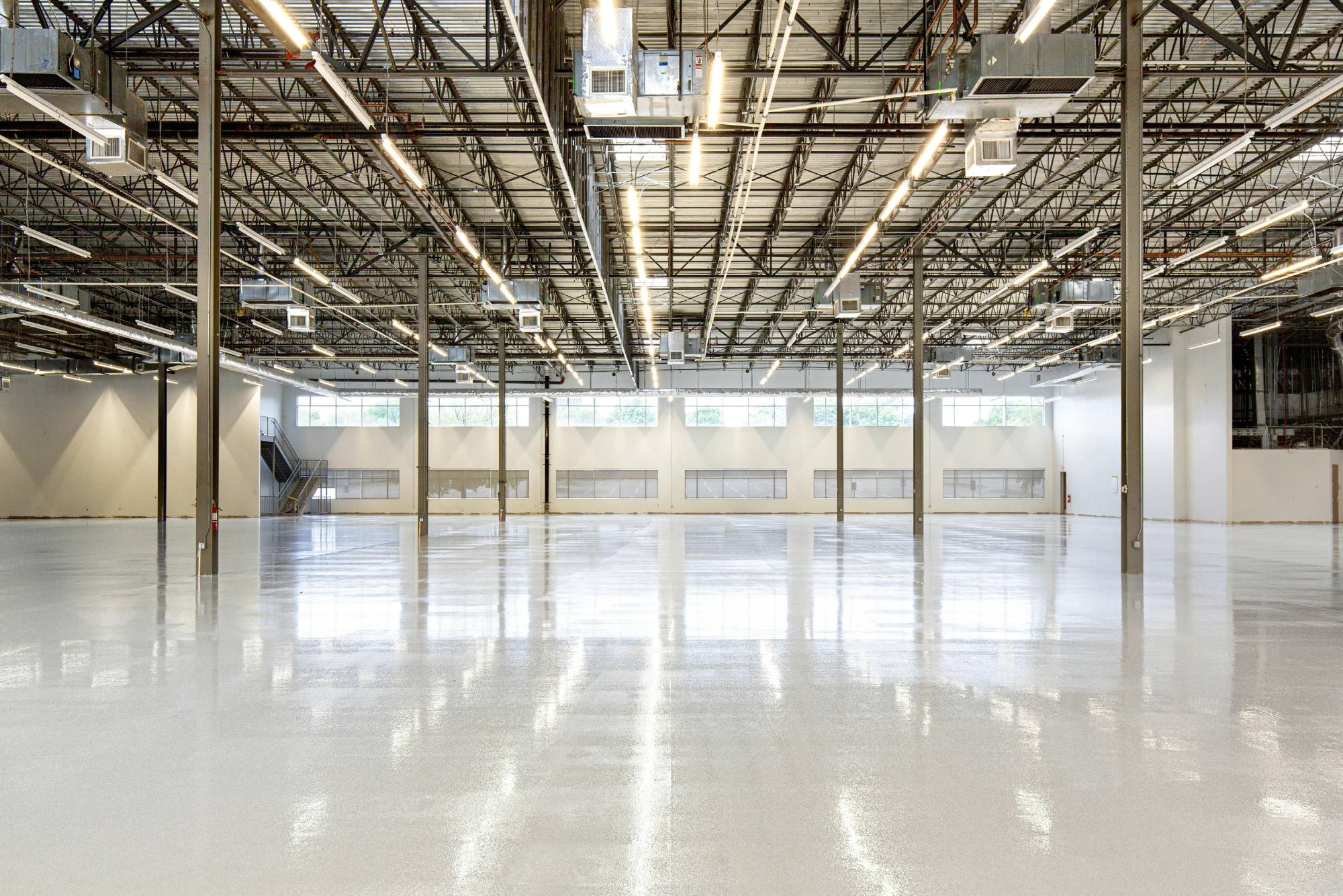
Ideally, you’ll find a warehouse that’s neat as a pin, with everything in its place and deep storage organized and labeled. If the gear is out, your warehouse would look like a showplace.
But you won’t find that. Instead, you’ll find a hot mess.
The Hot Mess You’re Ignoring
I’ve walked through a lot of warehouses throughout my 40 years in this industry. I’ve found milk crates of miscellaneous cables sitting in corners, bins that haven’t moved in years, adapters hiding behind salespeople’s desks, and equipment scattered across 25 locations when it belongs in one.
Years ago, I visited a company that had been a supplier of mine for 15 years. Their gear was beautifully packaged, with immaculate attention to detail.
Then I walked into their warehouse for the first time and couldn’t believe my eyes. I found bins and cardboard boxes of miscellaneous cables sitting nowhere in particular, obviously untouched for ages. Nobody owned the order of that place.
This company’s outcomes were excellent, but getting to the finished product took much longer than necessary. Technicians ran all over the building looking for parts. Some areas hadn’t been checked in years because nobody expected to find anything there.
The product was great. The path to providing it was chaos.
Start With the Empty Warehouse
If your gear is out, that’s the perfect time to clean up. You’re looking at three categories: trash nobody put away, hiding places for forgotten equipment, and deep storage nobody has touched in years.
Open the bay doors. Start dragging stuff outside. Get yourself three bins: one for items that belong here, one for items that belong somewhere else, and one for the dumpster.
Clear space. Dust shelves. Clean floors.
Think of it like loading a truck. You can’t fit another thing in a truck packed carelessly. Unload it and repack with more intention, and everything fits better. Your warehouse works the same way.

Consolidate Like Items
Your team has loose equipment scattered everywhere. You’ll find salespeople hoarding cables behind their desks and demo rooms with accessories spread across every surface. Recover all of it.
Start putting like items together, not “all cable in a pile.” You have 47 different kinds of cable, so make 47 piles. Everything goes back to one home.
You don’t need five different places to store XLR connectors. Assign one location per item type and stick with it.
When you bring it all together, bins will overflow. That’s what you want. Overflowing bins tell you how much storage you need. Consolidation reveals the truth.
Kit What You Can
About 75% of your cable and accessories (all the parts and pieces it takes to put a show together) belong in kits. One of the reasons they’re not is because you think you don’t have enough. But once you consolidate, you’ll find more than you expected.
If you send microphone cable out on every job, it belongs in a kit with spare cable on the shelf. Coil items properly. Put them in bins.
Don’t hang cable on hooks on walls. It’s inefficient. Use bins, coil cable properly, and refill them when cable comes back.
Items that get used constantly (direct boxes, common adapters, etc.) need a real home, not a spot on top of a workbench because “they’re going out again soon.” If they don’t have a designated home, you’ll buy replacements for gear you already own but can’t find.
Use Your Vertical, Free Your Floor
Floor space is how you move. If you have to move something to reach something else, your storage doesn’t work.
Equipment handled often goes near the prep area. Equipment handled rarely goes farther back and higher up. Use your vertical storage aggressively. A 400-pound case on a high shelf, accessible by forklift, frees up floor space worth far more than the extra minute it takes to retrieve it.
Low-use items go on higher shelves. The top shelf is for the stuff you’re keeping “just in case.” Wrap it on a pallet, label the outside clearly, and get it out of your daily workflow. Anything that’s been up there untouched for two years can go straight to the dumpster.
Items creeping out from under shelves, boxes wedged between racks, gear stored in aisles — all of it eats floor space. Clear it. If every piece of equipment comes back on the same day and your aisles are still full, the overflow goes to items heading back out first. Prioritize your operational goals from there.
Keep It That Way
Once you’ve made your warehouse a showplace, put everything away at the end of each day.
All aisles are cleared. Anything mid-prep is squared off and clearly labeled. Floors are clean. Gear is QCd. Then you go home.
The morning crew walks into a clean warehouse, with no unclear work in progress. Nobody picks up after the night crew. Think of it like a restaurant kitchen: The evening shift cleans before they leave so the morning shift can start fresh.
Your day isn’t over because the truck got loaded. Your day is over because the truck got loaded and the warehouse is back to zero. That zero state only works if every item has a home.
One day, you’ll get the bigger warehouse you want. When you do, you’ll use it more efficiently because you’ve built the habits now.
Don’t expand because you’re a hoarder. Expand because your process demands it.


Leave a Reply